
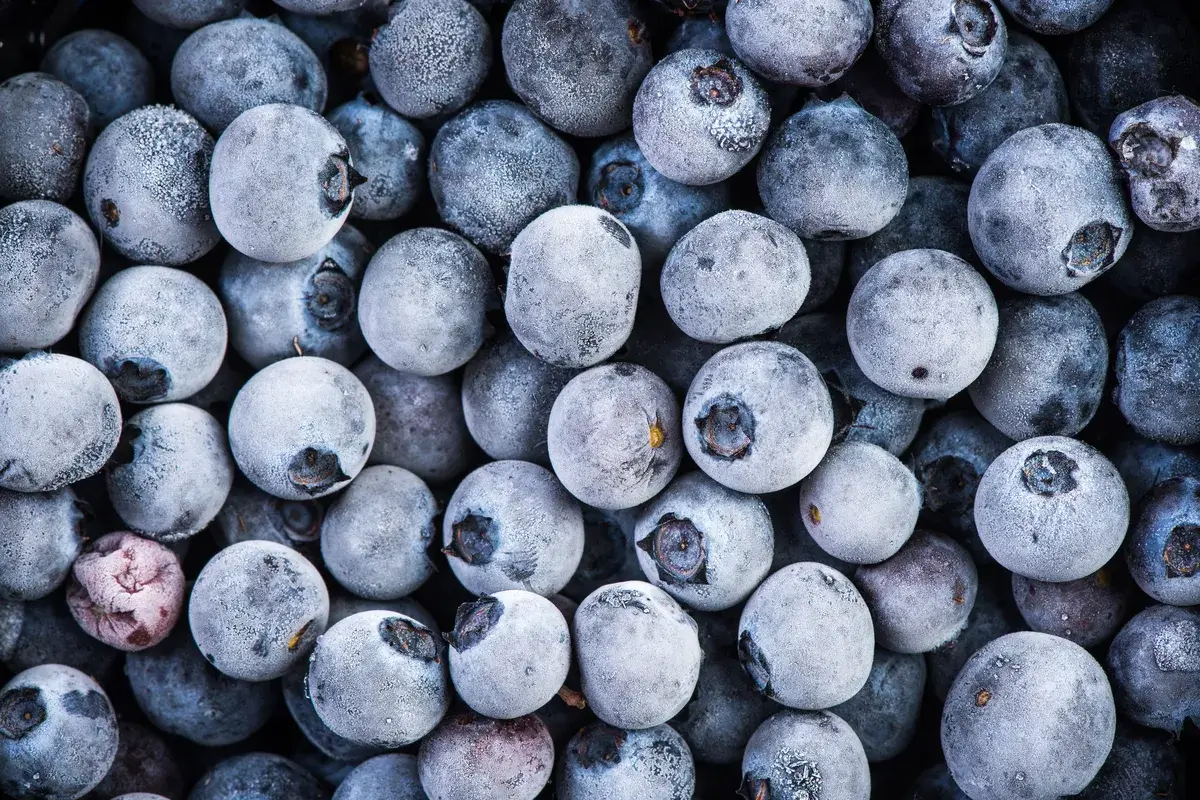
On a chilly February morning, blueberry farmers across Florida woke up to fields blanketed with frost—an event so rare and severe that experts are already calling it the “freeze of the decade.” For Latino families in Toronto who love adding a burst of blueberry flavor to smoothies, pancakes, and post-school snacks, this southern cold snap may feel far away. Yet the ripple effects will be felt in grocery aisles up north sooner than many realize. Below we unpack how the freeze happened, why it matters, and what to expect in the coming weeks.
What Exactly Happened in Florida?
Overnight temperatures plunged well below 0 °C, catching many growers off guard. While minor frosts are part of the seasonal gamble, this historic cold front lasted longer and dipped lower than any forecast had predicted, destroying delicate blueberry blossoms and young fruit in a matter of hours.
Why Were Growers Unprepared?
Florida’s blueberry industry usually relies on micro-sprinkler irrigation and wind machines to coat plants with a protective layer of ice or move warmer air down toward the bushes. But this time:
- Forecast models underestimated the duration of the freeze, delaying emergency measures.
- Power outages in rural areas disabled some irrigation pumps.
- Water restrictions in drought-prone counties limited overnight usage, forcing difficult choices.
The Biology Behind the Damage
Blueberries flower earlier than many fruits, producing tender buds especially vulnerable to cold. When temperatures drop below –2 °C for more than an hour, ice crystals rupture plant cells, killing blossoms before they set fruit. The freeze struck precisely at this sensitive stage, reducing potential yields by an estimated 40–60 % in affected counties.
Economic Shockwaves Moving North
Florida ships millions of pounds of early-season blueberries to Canada from March through May, neatly filling the gap between Chile’s late shipments and Ontario’s summer crop. Expect:
- Higher retail prices in the Greater Toronto Area (GTA) starting mid-March.
- Tighter supplies for bakeries and smoothie bars that depend on fresh blueberries.
- Increased demand for Mexican and Peruvian berries, potentially shifting supply chains.
How Big Could the Price Hike Be?
Produce brokers in Miami project a wholesale jump of 30–45 % on Florida fruit. If Chilean and Mexican exporters cannot fill the gap, Canadian retailers might pass an additional 10–15 % onto consumers. For families used to promotional pints at CAD $2.99, sticker prices of CAD $4.49 are plausible.
Growers’ Next Steps
In emergency meetings, Florida producers have outlined several recovery strategies:
- Replanting damaged acreage with newer, cold-tolerant cultivars such as ‘Arcadia’ and ‘Everglades.’
- Pushing state legislators for disaster relief grants to offset replanting costs.
- Investing in high-tunnel or greenhouse systems to shield the earliest blooms.
- Collaborating with universities on real-time frost prediction models that integrate satellite data.
What Can Consumers in Toronto Do?
1. Diversify your berry basket. Blackberries and raspberries are currently plentiful from Mexico.
2. Buy frozen. Flash-frozen blueberries retain nutrients and are often harvested at peak ripeness.
3. Support local when in season. Ontario’s blueberry harvest kicks in by late June—visit farmers’ markets or plan a family pick-your-own outing.
4. Watch for quality. Reduced supply sometimes means fruit travels farther; inspect pints for shriveling or mold.
Looking Ahead
Climate volatility is making “once-in-a-lifetime” events more common. For Florida’s blueberry farmers, the recent freeze is a harsh reminder of the stakes; for Latino households in Toronto, it’s a lesson in how interconnected our food systems have become. By staying informed and flexible, consumers can still enjoy their favorite berries while supporting growers on the long path to recovery.